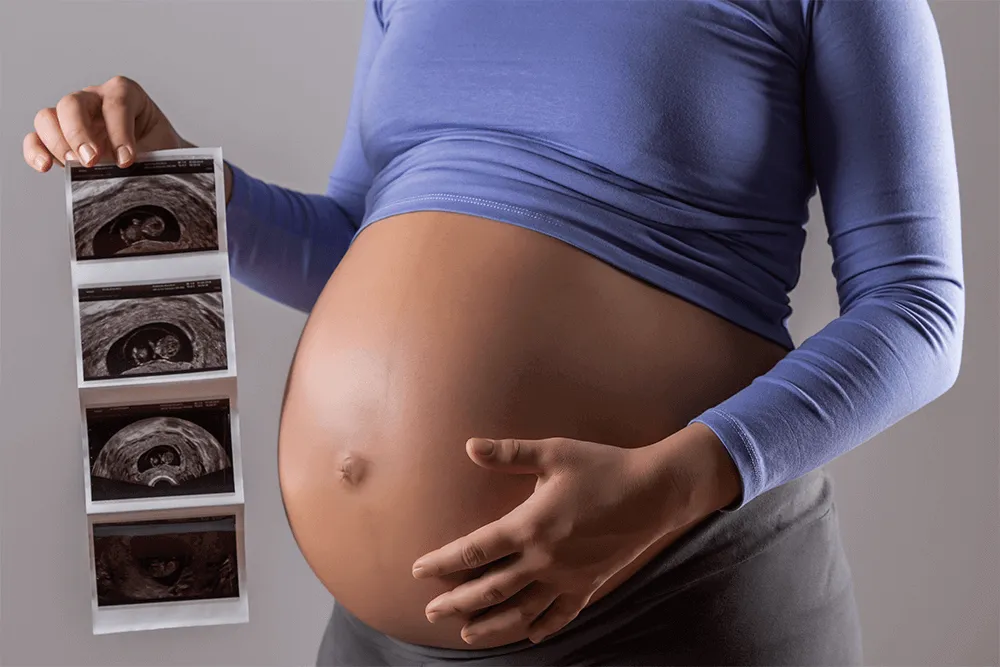

Pregnancy is often described as a time of excitement and anticipation, but for some women, it can also bring unexpected mental health challenges. Health experts are raising awareness about the link between pregnancy and eating disorders, warning that the physical and emotional changes associated with pregnancy can sometimes trigger new eating disorders or worsen existing ones.
Understanding Eating Disorders During Pregnancy
Eating disorders are serious mental health conditions that affect a person’s relationship with food, body image, and weight. Common eating disorders include anorexia nervosa, bulimia nervosa, and binge-eating disorder.
While many people assume pregnancy encourages healthier eating habits, experts say the dramatic body changes that occur during pregnancy can be difficult for some women to manage emotionally.
Weight gain, changes in body shape, increased appetite, and concerns about appearance can create anxiety and distress, particularly among women who have previously struggled with body image issues or disordered eating behaviors.
Why Pregnancy Can Be a Trigger
Pregnancy involves significant physical changes in a relatively short period. For some women, losing control over their body size and shape can be emotionally challenging.
Mental health specialists explain that several factors may contribute to eating disorders during pregnancy, including:
- Anxiety about weight gain
- Fear of losing physical attractiveness
- Previous history of eating disorders
- Social pressure regarding body image
- Depression and stress
- Hormonal changes
- Fear of complications during childbirth
Women who have previously recovered from an eating disorder may find that pregnancy brings back old thoughts and behaviors.
Risks to Mother and Baby
Experts warn that untreated eating disorders during pregnancy can pose serious health risks.
Potential complications for mothers may include:
- Malnutrition
- Anemia
- High blood pressure
- Fatigue
- Mental health challenges
- Increased risk of postpartum depression
Potential risks for babies may include:
- Low birth weight
- Premature birth
- Developmental complications
- Nutritional deficiencies
Healthcare professionals emphasize the importance of early diagnosis and support to help reduce these risks.
Recognizing Warning Signs
Some warning signs that may indicate an eating disorder during pregnancy include:
- Excessive concern about weight gain
- Skipping meals
- Restrictive dieting
- Obsessive calorie counting
- Excessive exercise despite medical advice
- Frequent feelings of guilt after eating
- Anxiety related to body changes
Family members and healthcare providers are encouraged to watch for these signs and offer support when needed.
Seeking Help
Experts stress that women experiencing difficulties with food, body image, or eating habits during pregnancy should not suffer in silence.
Treatment options may include:
- Counseling and therapy
- Nutritional guidance
- Medical supervision
- Mental health support
- Specialized maternal healthcare
Early intervention can improve outcomes for both mother and child and help ensure a healthier pregnancy experience.
Breaking the Stigma
Health professionals continue to encourage open conversations about mental health during pregnancy. They believe greater awareness can help women seek help earlier and reduce the stigma surrounding eating disorders.
Pregnancy affects every woman differently, and experts say it is important to remember that seeking support is a sign of strength, not weakness.
By recognizing the signs early and accessing appropriate care, women can protect both their own wellbeing and the health of their babies.
Tags:
Pregnancy, Eating Disorders, Women’s Health, Mental Health, Maternal Health, Health News, Pregnancy Care, Wellness
SEO Title:
How Pregnancy Can Trigger or Worsen Eating Disorders, According to Health Experts
Meta Description:
Health experts warn that pregnancy can trigger or worsen eating disorders in some women. Learn about the causes, warning signs, risks, and available support options.