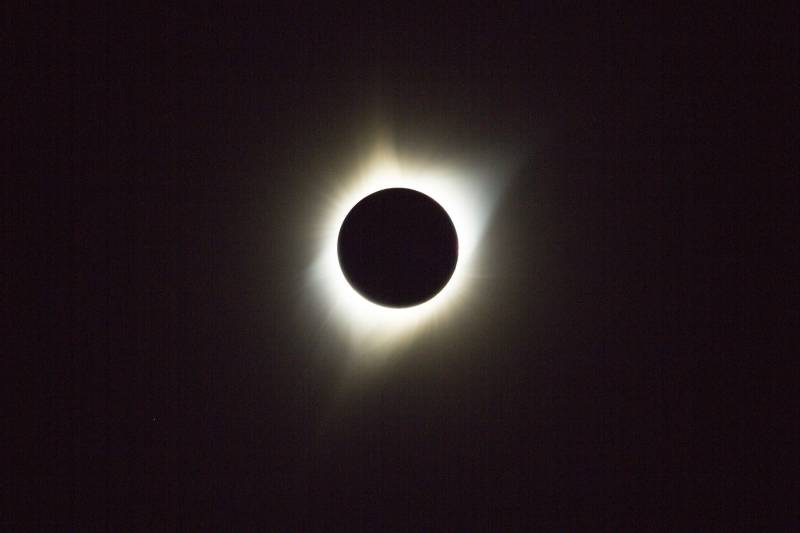

A rare total solar eclipse is set to occur in August 2026, drawing the attention of astronomers and skywatchers around the world. The celestial event will happen on August 12, when the Moon passes directly between the Earth and the Sun, completely blocking the Sun’s light for viewers located along the eclipse’s path.
During a total solar eclipse, daylight briefly turns into twilight as the Moon’s shadow sweeps across parts of the Earth. People outside the narrow path of totality may still witness a partial eclipse, where only a portion of the Sun is covered.
According to astronomical forecasts, the eclipse will be visible in total from parts of the Arctic, Greenland, Iceland, northern Spain, and portions of Portugal. Millions of people in surrounding regions across Europe, Africa, and the North Atlantic are expected to experience a partial eclipse.
Experts are reminding the public never to look directly at the Sun during the eclipse without certified solar viewing glasses or approved solar filters. Looking at the Sun with the naked eye can cause permanent eye damage, even when much of the Sun is obscured.
Scientists also see total solar eclipses as valuable opportunities to study the Sun’s outer atmosphere, known as the corona, which becomes visible only when the Sun’s bright surface is completely covered by the Moon.
Sky enthusiasts are already making travel plans to locations within the eclipse’s path, as total solar eclipses are relatively rare for any given location. Weather conditions on the day will play a significant role in determining viewing quality.
The Story Mean Say (Pidgin)
On August 12, 2026, one rare total solar eclipse go happen as the Moon go cover the Sun completely for some parts of the world. If you dey those places, daytime fit turn almost like evening for a few minutes. If you wan watch am, make sure say you use original solar eclipse glasses because looking directly at the Sun fit damage your eyes permanently.